

glass toughened factory
Understanding External Thread Gauges A Comprehensive Overview External thread gauges are essential tools in the manufacturing and engineering sectors, particularly in industries where precision and accuracy are paramount. The measurement of thread dimensions is crucial for ensuring that threaded parts fit together correctly, thereby maintaining structural integrity and functionality. This article delves into the significance, types, and applications of external thread gauges. What is an External Thread Gauge? An external thread gauge is a tool used to measure the external threads of a bolt, screw, or any other type of fastener. It is designed to ensure that the threaded part meets the specified standards for diameter, pitch, tolerance, and other dimensional characteristics. By using these gauges, manufacturers can verify that their threaded components are manufactured to the required specifications, which is vital for quality control and assurance. Types of External Thread Gauges There are several types of external thread gauges, each serving a specific purpose . The most commonly used ones include 1. Go/No-Go Gauges These are the simplest forms of thread gauges. A Go gauge checks whether the thread fits correctly, while a No-Go gauge is used to determine if the thread exceeds specified tolerances. If a part passes the Go test but fails the No-Go test, it meets the required specifications. 2. Thread Pitch Gauges This tool allows users to measure the pitch of the thread, which is the distance between adjacent thread crests. By aligning the pitch gauge's blades with the thread, operators can accurately determine the thread pitch. 3. Plug Gauges and Ring Gauges Plug gauges are inserted into the threaded hole to measure the internal dimensions, while ring gauges are used to measure external threads. Both are designed to offer a quick way of assessing whether a threaded component meets the required specifications. external thread gauge 4. Calipers and Micrometers While not exclusively thread gauges, precision calipers and micrometers can also be used to measure the diameter of external threads. These tools provide highly accurate measurements and are invaluable in quality control. Applications of External Thread Gauges The applications of external thread gauges are vast, spanning multiple industries. In the automotive sector, they are used to ensure the proper assembly of engine components, where precision is critical for performance and safety. The aerospace industry also relies on these gauges, as the components often experience extreme conditions that necessitate flawless assembly. In the manufacturing of machinery and equipment, where parts must fit together seamlessly, external thread gauges help prevent costly errors. Additionally, in construction and plumbing, these gauges ensure that pipes and fittings connect reliably under various conditions. Importance of Calibration and Maintenance To ensure the accuracy of external thread gauges, regular calibration is essential. Over time and with heavy usage, these tools can wear down or become inaccurate. Therefore, adhering to standard calibration protocols and routine maintenance is critical for guaranteeing that measurements remain consistent and reliable. Conclusion In summary, external thread gauges play an indispensable role in various industries where threaded components are used. By ensuring that these components meet stringent specifications, businesses can maintain quality control, enhance safety, and improve overall operational efficiency. Understanding the different types of external thread gauges and their applications aids manufacturers and engineers in selecting the appropriate tools for achieving the high standards required in today’s competitive market. With continued advancements in manufacturing and materials science, the importance of precise measurement tools like external thread gauges will only increase.
about
glass toughened factory
Understanding Plain Plug Gauge Standards Plain plug gauges are essential tools in the field of manufacturing and quality control. They are used to check the accuracy of hole dimensions and help ensure that parts meet specific design criteria. The standardization of these gauges is crucial for maintaining consistency, reliability, and quality in production processes across various industries. This article delves into the concept of plain plug gauge standards, their applications, types, and significance in ensuring precision in engineering. What is a Plain Plug Gauge? A plain plug gauge is a precision measuring instrument used primarily to inspect the internal diameters of holes. It is designed in a cylindrical shape and comes in various sizes to match the required specifications of different hole dimensions. The main purpose of a plain plug gauge is to determine whether the hole's diameter is within the acceptable tolerances defined by engineering drawings or standards. Importance of Standardization The standardization of plain plug gauges is imperative for several reasons 1. Consistency Standardized gauges ensure that measurements are uniform across different manufacturers and industries. This consistency is crucial for interchangeability, which is vital in mass production settings. 2. Quality Control Having standardized dimensions means that quality control processes can be uniformly applied. This helps eliminate defects and ensures that products meet customer expectations and regulatory requirements. 3. Efficiency Standardization reduces the time and cost involved in manufacturing gauging tools. Manufacturers can produce gauges that comply with widely accepted standards, which streamlines production and reduces lead times. 4. Global Trade In an increasingly globalized market, standardization facilitates international trade. When manufacturers use standardized gauges, buyers can be more confident in the quality and reliability of components regardless of where they are produced. plain plug gauge standard Types of Plain Plug Gauges Plain plug gauges typically come in two forms go and no-go gauges. - Go Gauge This gauge is used to check if a hole meets the minimum size requirement. If the gauge fits into the hole, it indicates that the hole size is acceptable. - No-Go Gauge Conversely, the no-go gauge checks if a hole is within permissible limits by determining its maximum size. If the no-go gauge fits, it signifies that the hole is too large and out of specification. Using both gauges together allows for a comprehensive assessment of hole dimensions, ensuring they meet specified tolerances. Applications Plain plug gauges are widely used in various industries, including automotive, aerospace, machinery, and electronics. They are instrumental in processes where precision is paramount, such as - Ensuring the proper fit of components in assemblies - Verifying hole sizes for bolts, screws, and other fasteners - Conducting routine inspections in quality control settings Conclusion The standardization of plain plug gauges is vital for maintaining precision and reliability in manufacturing processes. These gauges play a crucial role in quality control, ensuring that parts meet the necessary specifications and tolerances. With their simple yet effective design, plain plug gauges allow manufacturers to uphold standards, enhance productivity, and facilitate global trade. As industries continue to evolve and demand higher precision, the importance of standardized measuring tools like plain plug gauges will only grow. Understanding and implementing these standards is key to sustaining quality and excellence in production practices.
-

High quality industrial productsagement

High quality industrial products
View Details -

Meet the diverse needs of customers

Meet the diverse needs of customers
View Details -

Strict quality control

Strict quality control
View Details -

Top raw materials

Top raw materials
View Details -

Trusted supplier

Trusted supplier
View Details
Our application
news and information
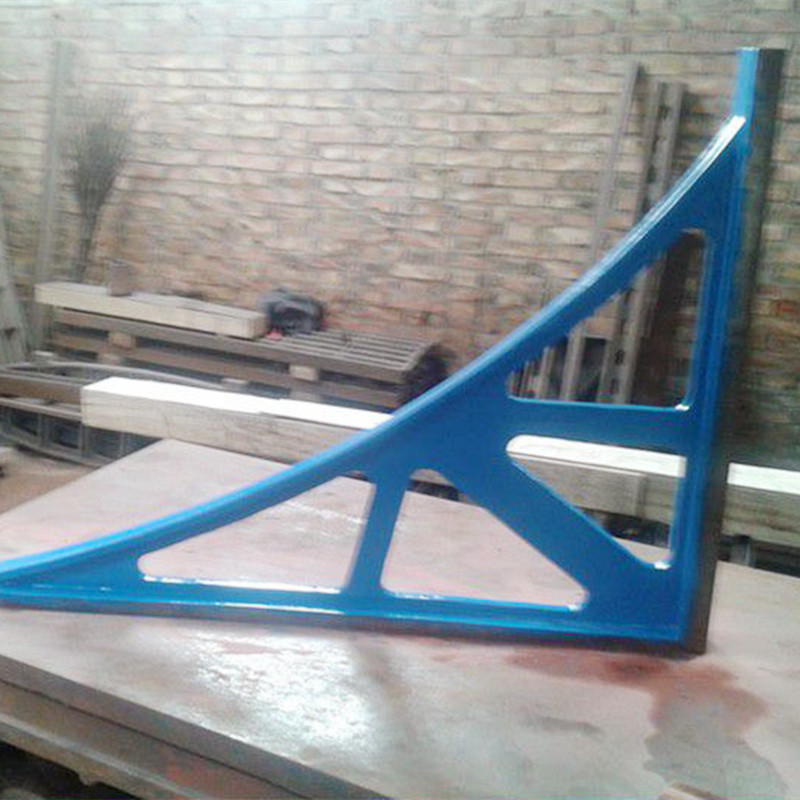
Water Shutoff Valve Installation and Maintenance Guide for Homeowners and Professionals
Understanding Water Shutoff Valves Importance and Functionality Water shutoff valves play a crucial
Vanne à papillon DN100 - Solutions de contrôle de fluides de haute qualité
La vanne à soupape DN100 Une solution essentielle pour la gestion des fluides Dans le domaine de l'i
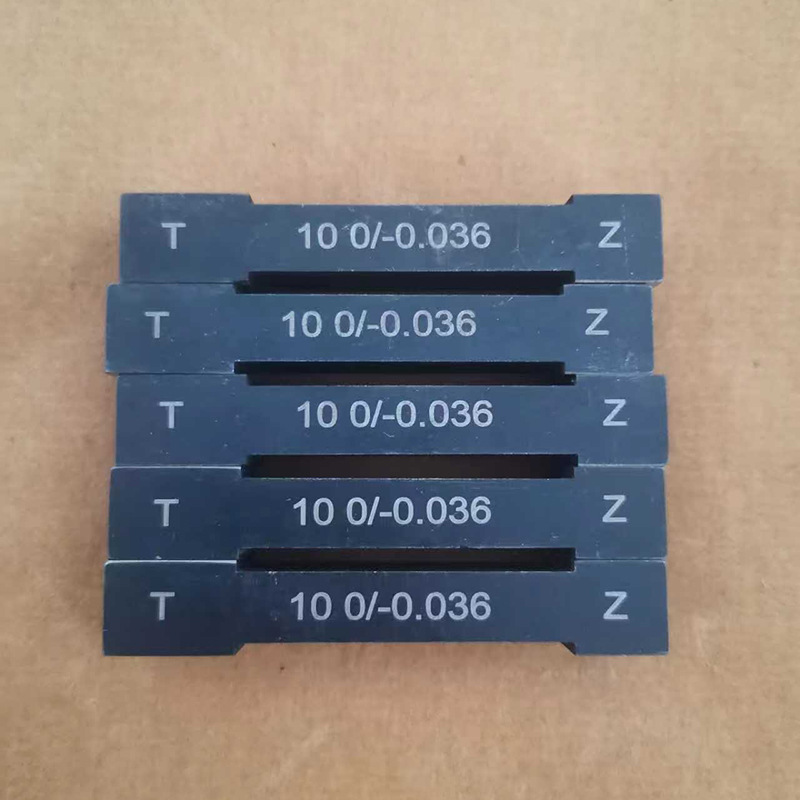
Versatile 5 8% Welding Table Clamps for Precision Metalworking and Fabrication
The Importance of 5% and 208% Welding Table Clamps in Modern Fabrication In the world of metal fabri
 English